
The Role of Soil Microbiology in Crop Production
Soil is more than a place to anchor roots. It is a living system. Beneath every Prairie crop is a community of bacteria, fungi, and other microorganisms that influence how well plants establish, access nutrients, and handle stress.
When soil microbiology is active and balanced, crops tend to grow stronger and more efficiently. When biology is weak or disrupted, nutrient availability drops, root development slows, and crops become more vulnerable to stress and disease.
Understanding the role of soil microbiology helps farmers make better decisions that support yield, resilience, and long-term productivity.
What Is Soil Microbiology?
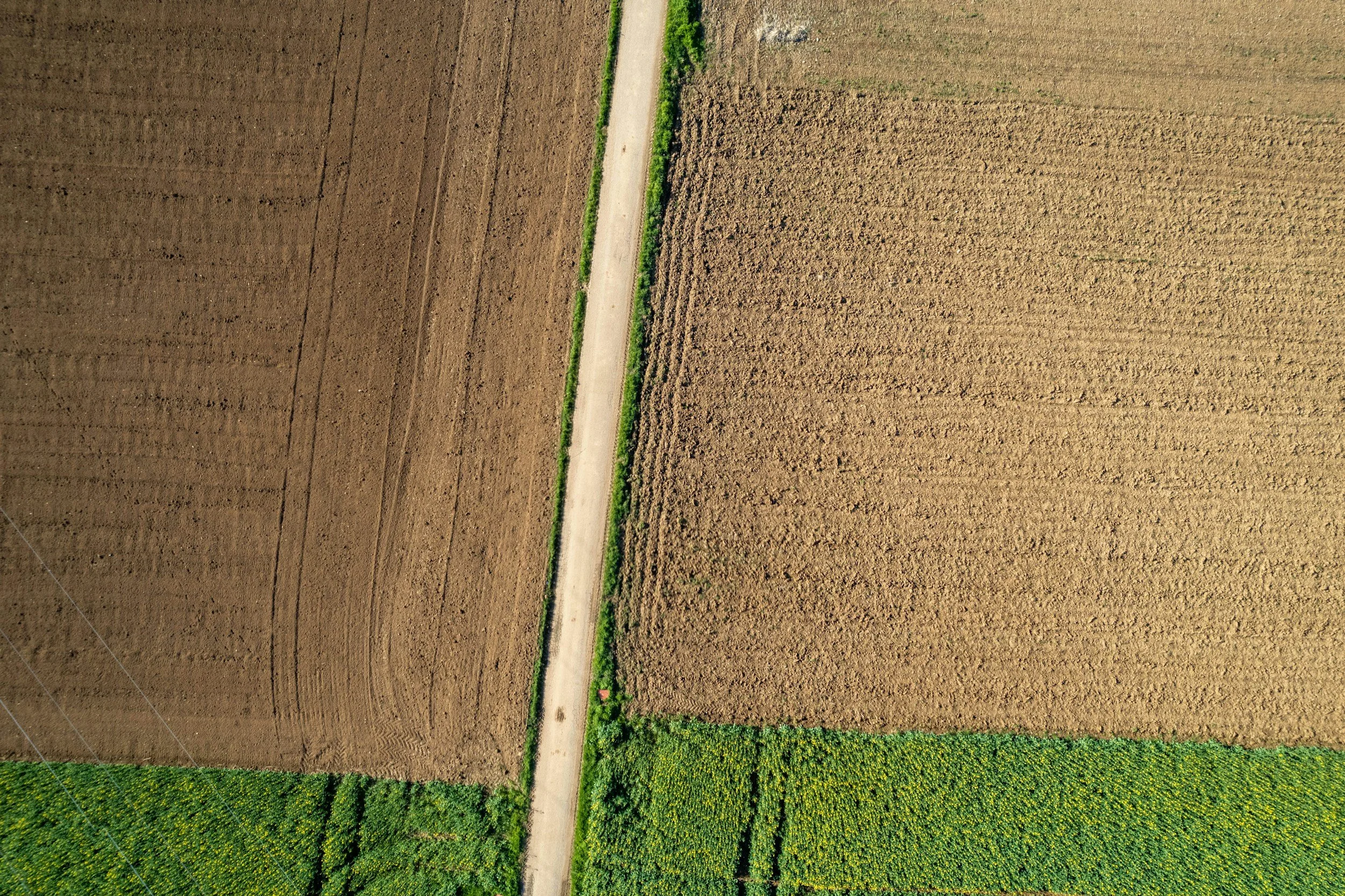
Soil microbiology refers to the living organisms in the soil, including:
Beneficial bacteria
Fungi and mycorrhizae
Actinomycetes
Protozoa and other microscopic life
These organisms work together in the root zone to cycle nutrients, break down residue, support root growth, and improve overall soil function.
Why Soil Microbiology Matters for Crop Production
Soil microbes influence crop performance in direct, practical ways. They help determine how efficiently a crop can access nutrients, how well roots develop, and how the soil responds to moisture swings and stress.
Nutrient Cycling
Soil microbes help break down residue and organic matter, releasing nutrients into forms crops can use more efficiently.
Root Zone Support
Active biology supports stronger roots and better nutrient uptake by creating healthier conditions around the root system.
Disease Pressure Reduction
Diverse microbial communities compete with pathogens and help reduce the conditions that favour many soil-borne diseases.
Soil Structure and Water Movement
Microbes support aggregate stability, improving pore space, infiltration, and oxygen flow in the root zone.
What Weakens Soil Microbiology?
Soil biology performs best when the root zone has oxygen, moisture balance, and enough organic material to fuel microbial activity. When those conditions break down, biology slows, and soil function becomes less reliable.
Common challenges in Prairie fields include compaction, waterlogging, low organic matter, salinity, and repeated disturbance that reduces residue cover.
How to Support Soil Microbiology in Prairie Fields
Improving soil microbiology is not about one quick fix. It is about building the right conditions over time.
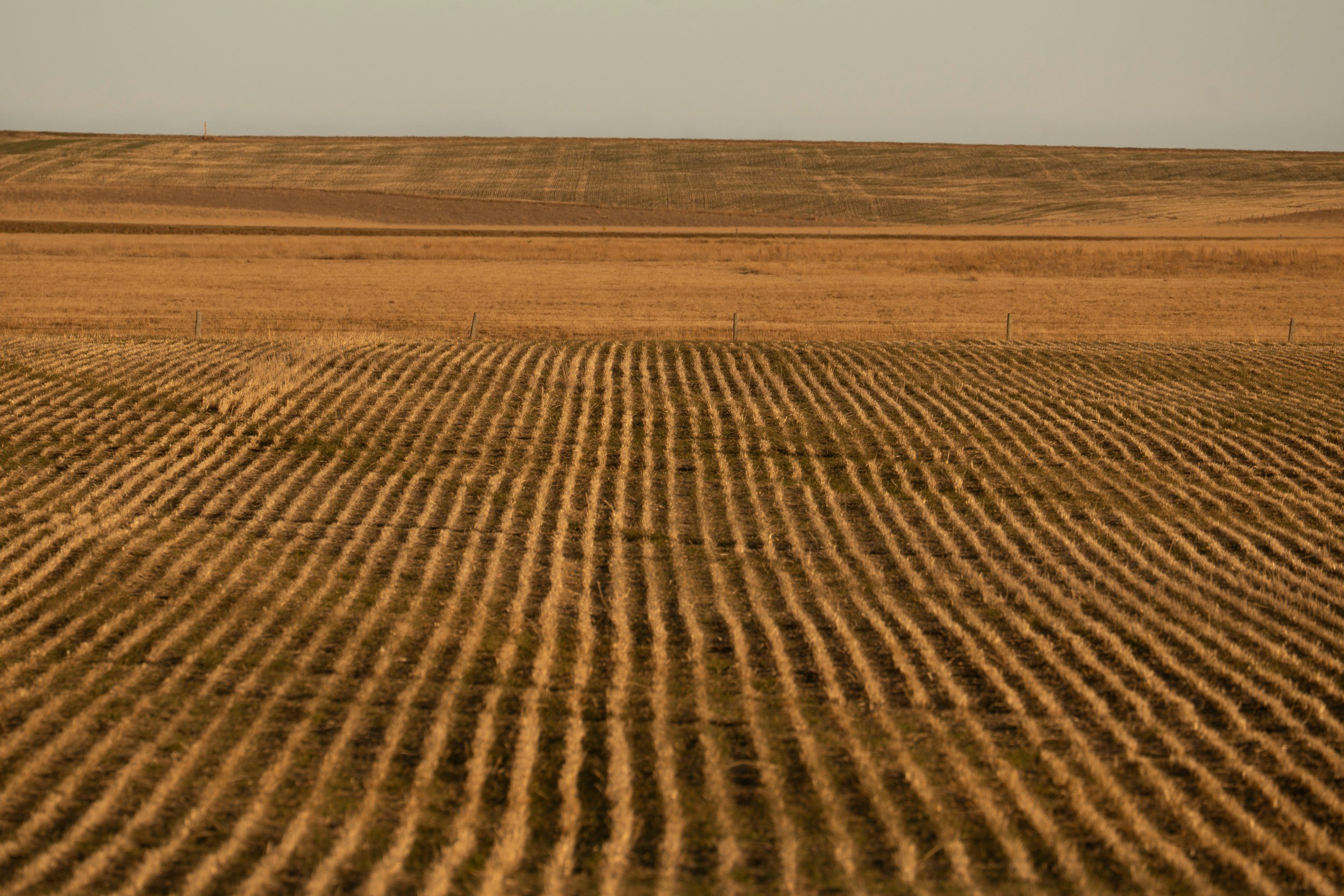
Practical strategies include:
Maintaining residue and organic matter to feed microbial life
Reducing compaction and improving aeration
Supporting drainage and water movement in wet areas
Rotating crops to encourage more diverse biology
Using biological tools that support soil function
How Crop Aid Plus Supports Soil Microbiology
Crop Aid Plus is a carbon-based biostimulant designed to support soil biology and improve the root zone environment. It helps encourage microbial activity, which supports nutrient cycling and improves overall soil function.
Crop Aid Plus supports crop production by helping:
Activate beneficial microbial populations
Improve nutrient availability and uptake
Strengthen early root growth and establishment
Support soil structure for better air and water movement
Used as part of a broader soil health strategy, Crop Aid Plus helps build a more resilient soil system that supports consistent crop performance.
Healthy Soil Biology Builds Better Crops
Soil microbiology plays a major role in crop production. It drives nutrient cycling, supports strong roots, improves soil structure, and helps reduce disease pressure. When soil biology is active, crops are better equipped to grow efficiently and handle Prairie stress conditions.
Supporting microbial life through good management and tools like Crop Aid Plus helps build healthier soils and more productive fields season after season.
FAQ: Soil Microbiology and Crop Production
-
Soil microbiology supports crop growth by cycling nutrients, improving root zone conditions, strengthening soil structure, and helping suppress disease-causing organisms.
-
Microbes break down residue and organic matter, releasing nutrients into forms that crops can absorb. This helps improve nutrient efficiency and early-season growth.
-
Common signs include slow residue breakdown, weak or shallow roots, waterlogged areas that stay wet, surface crusting, and uneven crop growth, even when fertility looks adequate.
-
Yes. Diverse microbial communities can help reduce disease pressure by competing with pathogens and by supporting a healthier root zone environment.
-
Focus on reducing compaction, maintaining residue and organic matter, improving drainage, rotating crops, and using biological tools like Crop Aid Plus to support microbial activity.